
Let’s be real for a second. Organizing a seminar or a professional event is rarely fun. Dates to align, people coming from different cities, budgets to respect, expectations all over the place. And then there’s the classic question: hotel, conference center… or something else? Lately, more companies are looking at gîtes with an integrated restaurant. Sounds nice on paper. But is it actually a good idea, or just another trendy concept?
Honestly, the idea makes sense. A single place for sleeping, eating, meeting. No buses, no taxis, no “where are we having dinner tonight?” moments. Places like https://gite-restaurant-seminaire-72.com exist precisely for that reason: to simplify things without turning the event into something stiff or corporate-heavy.
Why companies are moving away from classic hotels
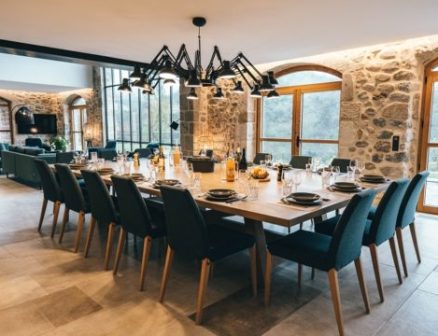
Hotels do the job. Sure. But they often feel… generic. Same rooms, same buffet, same meeting rooms with grey carpet and bad lighting. You know the vibe. It works, but it doesn’t inspire much.
A gîte with a restaurant changes the atmosphere completely. You arrive, drop your bags, and you’re already in the same space as everyone else. Conversations start faster. Teams loosen up. There’s less of that “9 to 5” energy. I’ve seen people who barely spoke at the office suddenly debate ideas over dinner like old friends. That shift is powerful.
The real advantage: everything in one place
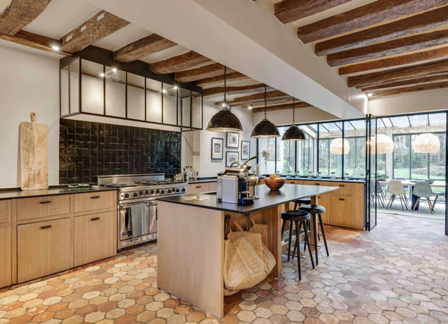
From a logistics point of view, this is where it shines. No transport to manage between hotel and restaurant. No risk of losing half the group between sessions. Meals are on site, often prepared with local products, served at flexible hours. That matters more than people think.
And let’s talk about food for a second. A good meal can completely change the mood of a seminar. I’ve been to events where the content was fine, but the lunch was so forgettable it dragged the energy down. In gîtes with real kitchens and real chefs, meals are part of the experience, not an afterthought.
What kind of events does this setup really fit?
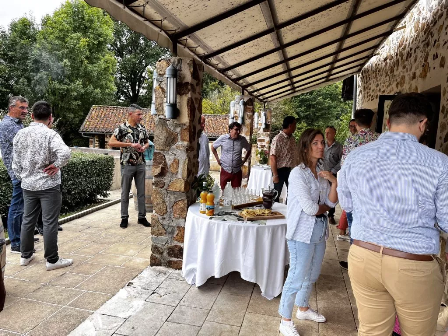
This format works best for small to medium groups. Think management seminars, team-building weekends, workshops, strategy sessions. Groups of 10 to 30 people usually fit perfectly.
For large conferences? Maybe not. You need scale, infrastructure, multiple rooms. A gîte is more intimate by nature. That’s a strength, but also a limit. And that’s okay.
If your goal is cohesion, focus, and quality exchanges, this setup is hard to beat.
Budget: is it more expensive or actually reasonable?
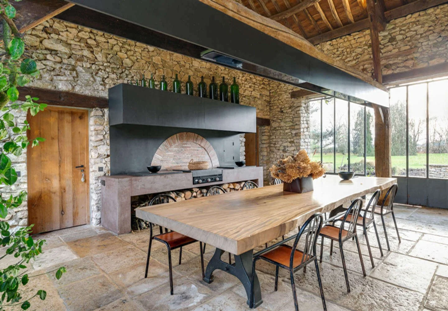
This surprises a lot of people. It’s often more affordable than expected.
When you bundle accommodation, meals, meeting space, and sometimes even activities, the price becomes clearer. No hidden restaurant bills. No last-minute transport costs. On average, companies spend less than they would by booking everything separately.
Of course, prices vary. Location, season, number of nights, level of comfort. But overall, the value-for-money is solid, especially if you value simplicity and time saved.
Things to check before booking (don’t skip this)
Not all gîtes are equal. Some are great for holidays but not adapted to professional use.
Check the meeting space. Is it quiet? Enough light? Proper seating? Wi-Fi that actually works? Ask directly. Don’t assume.
Check flexibility. Can meal times adapt to your schedule? Can dietary restrictions be handled? These details matter in a professional setting.
And finally, check the surroundings. Calm is great. Too isolated can be tricky if people arrive late or need to leave early.
So… is it a good idea or not?
Frankly? Yes. For the right type of event and the right group size, a gîte with an integrated restaurant is not just a good idea, it’s often a better one. It creates connection, reduces friction, and makes the whole experience smoother.
It’s not flashy. It’s not corporate. And that’s exactly why it works.
If your goal is efficiency with a human touch, this format deserves serious consideration.
Related Posts
Gîte with a pool in Ardèche: who is it really for?
Let’s start simple. A gîte with a pool in Ardèche…
Staying in a gîte in Provence: benefits, real budget, and tips for choosing the right one
Séjourner dans un gîte en Provence : est-ce vraiment avantageux…