
Séjourner dans un gîte en Provence : est-ce vraiment avantageux ?
Soyons honnêtes. Quand on imagine la Provence, on pense aux champs de lavande, aux maisons en pierre, au chant des cigales et aux longs dîners en terrasse. Un rêve. Mais au moment de réserver un hébergement, les doutes s’installent vite. Hôtel ? Airbnb ? Gîte ? Et au fait, qu’est-ce qu’un gîte, concrètement, en dehors des cartes postales ?
En bref : un gîte en Provence peut être un excellent choix. Plus en détail : cela dépend de vos attentes, de votre budget et de votre façon de voyager. J’en ai séjourné plusieurs au fil des ans – certains exceptionnels, d’autres… moins mémorables – et il y a de réels avantages, mais aussi quelques points à prendre en compte avant de réserver.
Pourquoi les voyageurs continuent-ils de choisir les gîtes en Provence ?
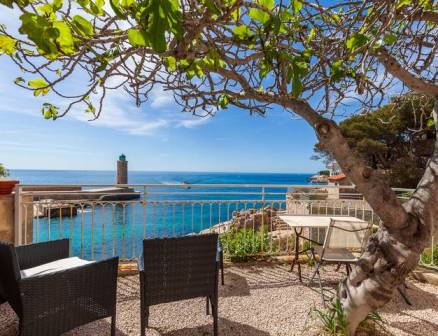
Premier atout majeur : l’espace. Du vrai espace. Pas juste un lit et une salle de bain coincés derrière un épais mur de pierre. Un gîte, c’est généralement une maison ou un appartement entier, souvent avec une cuisine, une terrasse, parfois un jardin. On se lève, on prépare un café, on s’installe dehors, et personne ne nous presse de partir à 11 h. Franchement, rien que ça change complètement l’ambiance du voyage.
Un autre aspect souvent sous-estimé : l’emplacement. De nombreux gîtes se trouvent aux abords des villages, entourés de vignes, d’oliviers ou de collines. Fini les embouteillages et la galère pour se garer tous les soirs. Dans un gîte près du Luberon où j’ai séjourné, le silence était absolu la nuit. Un silence véritable. J’ai été surpris de constater à quel point c’est rare.
Dans le deuxième paragraphe, il est important de savoir que certains gîtes sont tenus par des propriétaires qui ont une véritable passion pour l’accueil. Non pas dans un esprit de formation hôtelière superficielle, mais plutôt dans une approche authentique, comme si l’on mangeait ici, chez les locaux. Des lieux comme https://gite-lepimayon.fr illustrent parfaitement ce type de séjour : un accueil personnalisé, paisible et conçu pour ceux qui souhaitent découvrir la Provence en dehors des sentiers battus.
Les véritables avantages (au-delà des jolies photos)
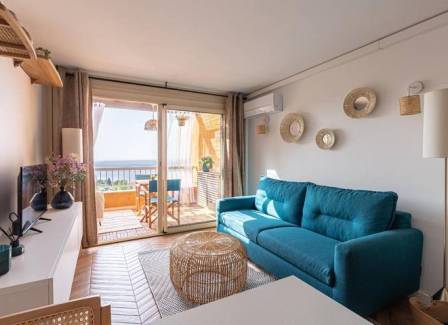
Liberté. C’est le mot qui revient sans cesse. On mange quand on veut. On rentre tard si le dîner s’éternise (et il s’éternisera). On peut cuisiner des produits locaux — des tomates qui ont vraiment le goût de tomates, du pain encore chaud à 7 h du matin — sans culpabiliser.
Un meilleur rapport qualité-prix pour les longs séjours. Si vous restez plus de 3 ou 4 nuits, un gîte est souvent plus avantageux financièrement qu’un hôtel, surtout si vous voyagez en couple ou en famille. Une seule cuisine remplace plusieurs repas au restaurant, et les économies s’accumulent vite.
Un rythme plus authentique. On commence à reconnaître les rues, les boulangeries, les marchés. On n’est plus simplement de passage. Personnellement, je trouve qu’après trois jours, la Provence a une tout autre saveur lorsqu’on s’installe au même endroit et qu’on explore les environs au lieu de changer d’hôtel en permanence.
Combien coûte réellement un gîte en Provence ?
Parlons argent, car c’est là que les attentes peuvent se compliquer.
En basse saison (environ mars-avril et octobre), vous trouverez souvent des gîtes corrects entre 80 et 120 € la nuit pour deux personnes. Le prix peut varier selon l’emplacement et le confort.
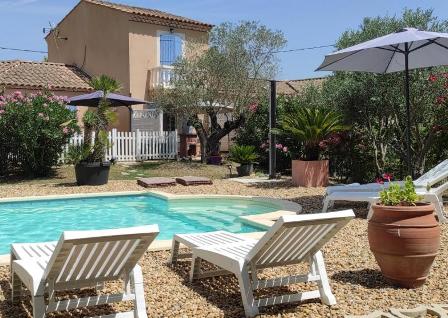
La haute saison, c’est une autre histoire. En juillet et août, les prix peuvent grimper jusqu’à 140-200 € la nuit , surtout si le gîte dispose d’une piscine ou d’une belle vue. Et oui, beaucoup de gîtes se louent à la semaine en été. Cela surprend certains voyageurs, mais c’est très courant en Provence.
Frais supplémentaires ? Généralement limités. L’électricité, l’eau et le parking sont souvent inclus. Parfois, des frais de ménage de fin de séjour sont à prévoir. Renseignez-vous avant de réserver. Pas de complications, juste de la transparence.
Gîte, hôtel ou Airbnb : petit bilan
Les hôtels sont parfaits si vous voulez vous décharger de toute responsabilité. Petit-déjeuner servi, chambre nettoyée, personnel à la réception. Mais ce confort a un prix, et l’espace est limité. En Provence, les chambres d’hôtel peuvent paraître petites pour le prix.
Airbnb, c’est un peu la loterie. Certains logements sont en fait des gîtes déguisés. D’autres sont des appartements impersonnels avec boîtes à clés et aucun contact. J’ai testé les deux. La différence est flagrante.
Un gîte digne de ce nom se situe généralement entre les deux : l’indépendance, mais avec une personne réelle aux commandes. Et cela compte plus qu’on ne le croit.
Comment choisir le gîte idéal (et éviter les déceptions)
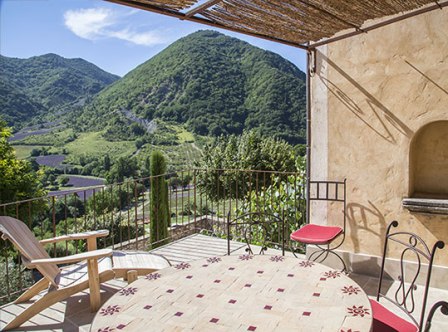
Tout d’abord, soyez honnête avec vous-même. Préférez-vous le calme absolu ou la possibilité d’aller à pied au restaurant ? La Provence est vaste. Si vous n’avez pas de voiture, choisissez avec soin. Certains gîtes sont magnifiques… et complètement isolés.
Deuxièmement, lisez attentivement les descriptions. Pas seulement les avis. Recherchez les détails : distance des villages, accessibilité routière, parking, climatisation (important en été, croyez-moi).
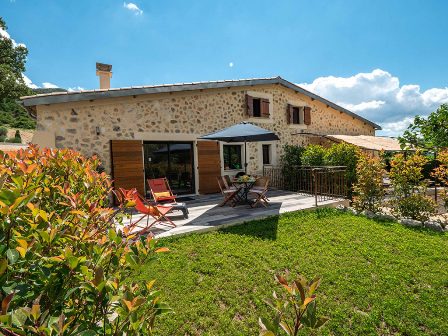
Troisièmement, ne vous laissez pas trop séduire. Les maisons en pierre ont du charme, certes, mais elles peuvent être sombres ou froides à l’intérieur. Agréables en août, moins en avril si le chauffage est insuffisant. N’hésitez pas à poser des questions. Les propriétaires y sont habitués.
Qui devrait absolument envisager la location d’un gîte en Provence ?
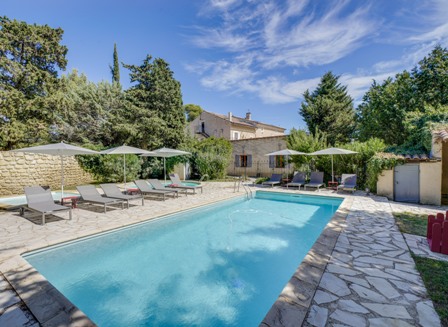
Si vous aimez les matins tranquilles, les marchés, cuisiner, les soirées calmes, le choix est évident.
Si vous voyagez en couple et souhaitez préserver votre intimité, la réponse est la même.
Pour les familles ? Franchement, les gîtes sont souvent parfaits. De l’espace, des espaces extérieurs, et aucun souci de bruit.
Si vous rêvez de vie nocturne animée, de bars sous votre fenêtre ou d’un service en chambre à minuit… peut-être pas.
En conclusion : est-ce le bon choix pour vous ?
Un séjour en gîte en Provence n’est pas synonyme de luxe ostentatoire. Il s’agit de confort, de rythme et de se sentir chez soi, même pour quelques jours. Ce n’est pas mieux qu’un hôtel, c’est différent.
Personnellement, j’ai du mal à y retourner après avoir goûté à ce premier matin paisible, café à la main, au soleil levant sur les collines. Mais bon, c’est peut-être juste moi.
L’essentiel est de bien choisir, de savoir ce que l’on veut et de ne pas réserver au hasard. En suivant ces conseils, un gîte provençal peut transformer un simple séjour en une expérience inoubliable.
Related Posts
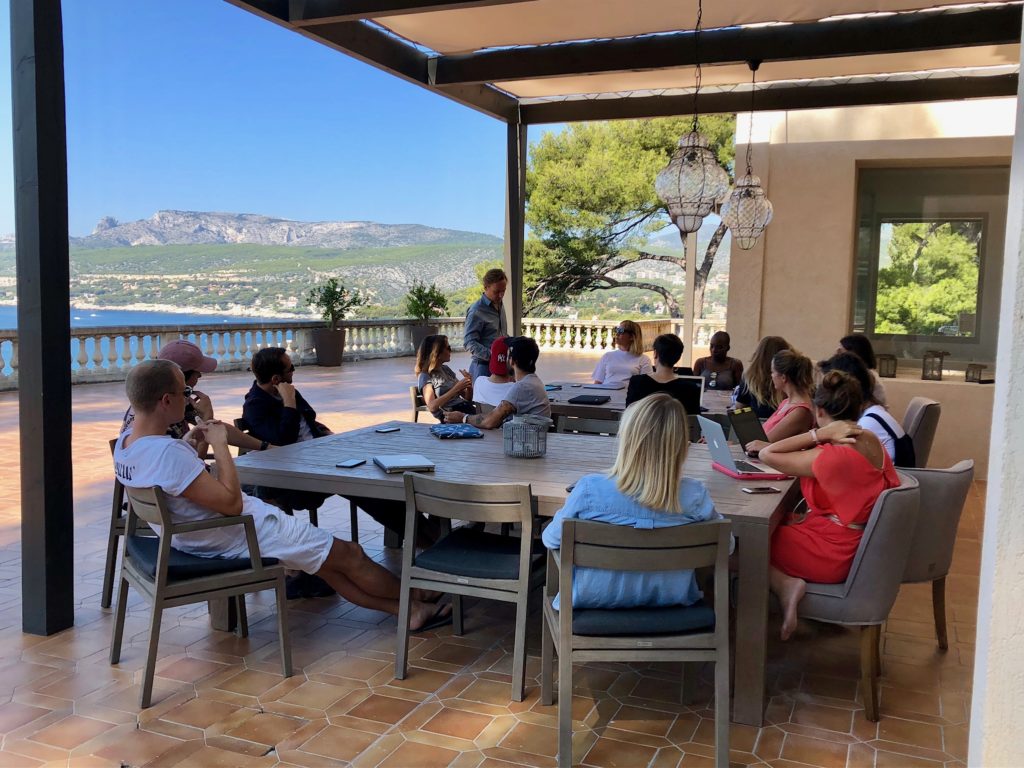
Gîte with an on-site restaurant: a smart move for business events?
Let’s be real for a second. Organizing a seminar or…
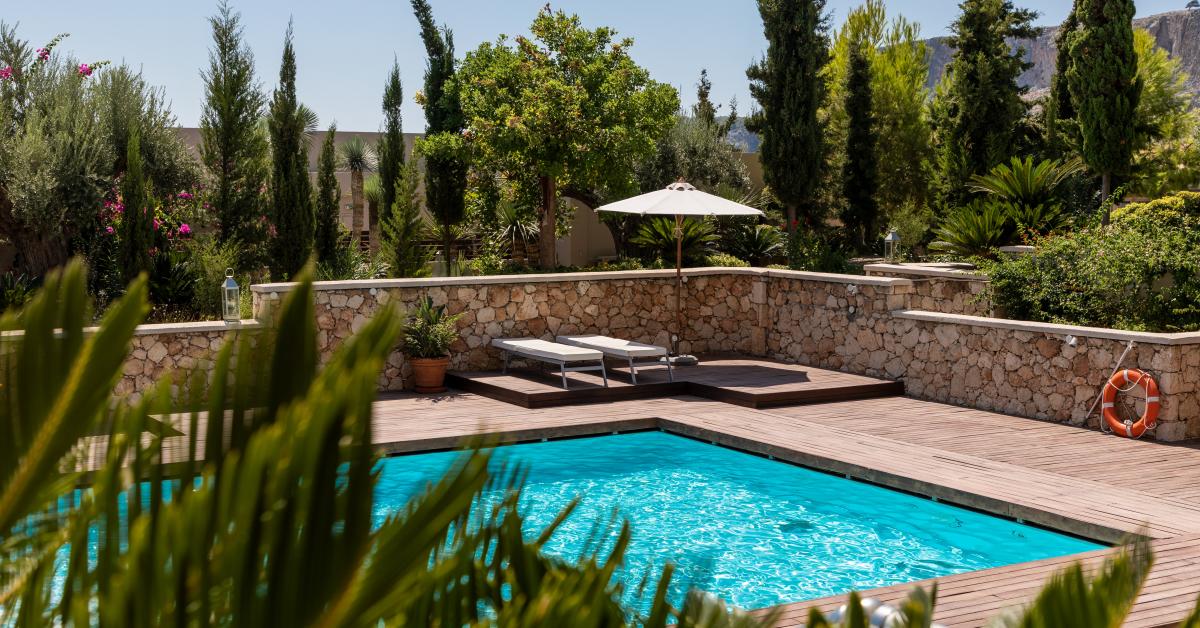
Gîte with a pool in Ardèche: who is it really for?
Let’s start simple. A gîte with a pool in Ardèche…